Language
  English
 Español
The bathtub mixer tap is a fixture used daily in bathrooms around the world, blending hot and cold water to achieve a desired temperature while controlling flow rate. Despite its familiar appearance, this device is a precision assembly of components that must withstand constant exposure to water, temperature fluctuations, and mechanical operation over many years. The materials chosen for its construction directly affect durability, corrosion resistance, maintenance requirements, and cost.
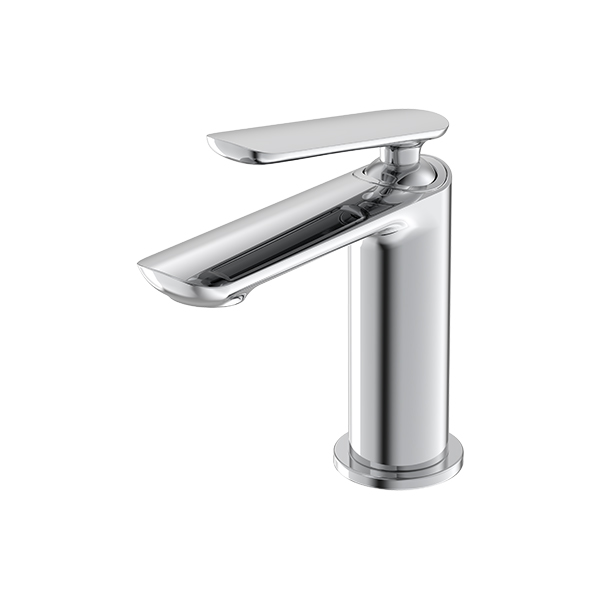
Body and Spout Materials: The Primary Structure
The main body of the tap, including the spout and mounting components, forms the visible structure and contains the water passages. Material selection here must balance strength, corrosion resistance, appearance, and cost.
Brass: This is the traditional and common material for tap bodies in quality fixtures.
Brass is an alloy of copper and zinc, typically containing 60-70 percent copper. The copper content provides inherent corrosion resistance, while zinc adds strength and castability.
Many tap bodies are manufactured through hot forging or precision casting. Forged brass offers greater density and strength, with fewer internal voids than cast brass.
Brass contains lead as a machining aid, typically 2-4 percent in standard alloys. For drinking water applications, lead-free brass alloys (containing less than 0.25 percent lead) are now required in many jurisdictions, often using bismuth or silicon instead of bring about maintain machinability.
The material provides threading characteristics for connections and accepts a wide range of surface finishes.
Stainless Steel: Used primarily in modern or minimalist designs, and in applications requiring corrosion resistance.
Grades such as 304 (18/10) are common. This alloy contains 18 percent chromium and 10 percent nickel, forming a passive chromium oxide layer that prevents rust.
Stainless steel bodies are typically fabricated from tube or sheet metal through welding and forming, rather than casting. The welds must be properly finished to maintain corrosion resistance.
The material is harder than brass, which can make threading and machining more difficult and increase manufacturing costs.
Stainless steel does not require plating and maintains its appearance with simple cleaning, though it can show water spots and fingerprints more readily than chrome-plated surfaces.
Zinc Alloys (Zamak): Used in lower-cost taps, particularly for less visible components.
Zamak is an alloy of zinc with aluminum, magnesium, and copper. It can be die-cast into complex shapes at lower cost than brass.
The material is not inherently corrosion-resistant and requires plating (typically chrome) to protect against water exposure.
Zinc alloys are less durable than brass and can develop internal corrosion if the plating is damaged, bring about "zinc rot" where the material degrades and expands.
In quality taps, zinc is typically limited to non-water-carrying components such as handles or decorative shrouds, with brass used for wetted parts.
Engineering Plastics: Used in economy taps and for specific internal components in higher-end taps.
ABS (Acrylonitrile Butadiene Styrene) and PPO (Polyphenylene Oxide) are sometimes used for tap bodies in very low-cost products. These are lightweight and do not corrode but lack the strength and durability of metal.
Glass-filled polypropylene or PPS (Polyphenylene Sulfide) may be used for internal water passages in otherwise metal taps, particularly where complex shapes would be expensive to machine in metal.
Plastic bodies are typically chrome-plated to achieve a metallic appearance, though the plating does not bond as well to plastic as to metal and may peel over time.
Cartridge and Internal Components: The Heart of the Tap
The cartridge is the internal mechanism that controls water flow and temperature. Its materials directly affect the smoothness of operation and the tap's resistance to leaking.
Ceramic Discs: Modern mixer taps universally use ceramic disc cartridges rather than traditional rubber washers.
The discs are made from aluminum oxide ceramic, a very hard, wear-resistant material. Two discs, each with precision-ground flat surfaces, slide against each other to control flow.
One disc is fixed in the cartridge body; the other moves in response to handle movement. Openings in the discs align to allow water flow and mix hot and cold supplies.
Ceramic is hard and resists erosion from water-borne particles. A properly manufactured ceramic cartridge can withstand hundreds of thousands of operating cycles without significant wear.
The discs require no lubrication and are not subject to the compression set or degradation that affects rubber seals.
Cartridge Bodies and Other Internal Parts:
POM (Polyoxymethylene), also known as acetal or Delrin: This engineering plastic is commonly used for the cartridge housing and internal components that do not contact the ceramic discs. It offers low friction, good dimensional stability, and resistance to hot water.
PPS (Polyphenylene Sulfide): Used in higher-temperature applications or where greater chemical resistance is required. PPS can withstand continuous exposure to hot water without degradation.
Stainless Steel: Used for springs, retaining clips, and sometimes for the cartridge sleeve. Stainless steel provides corrosion resistance in these small, highly stressed components.
EPDM (Ethylene Propylene Diene Monomer) rubber: Used for O-rings and seals within the cartridge. EPDM is preferred for hot and cold water applications because it resists temperature and water degradation better than some other elastomers.
Seals and Gaskets: Throughout the tap, various seals prevent water leakage.
Silicone: Used for many seals due to its flexibility, temperature resistance, and long life. Silicone maintains its sealing properties across a wide temperature range.
NBR (Nitrile rubber): Sometimes used for seals in cold water applications but less suitable for hot water than EPDM or silicone.
PTFE (Polytetrafluoroethylene): Used for thread seal tape and sometimes for backup rings in seal assemblies. PTFE provides low friction and chemical resistance.
Handle and Trim Materials: The User Interface
The handles, spout, and visible trim pieces define the tap's appearance and provide the surfaces users touch daily. Material selection here affects both aesthetics and tactile experience.
Chrome-Plated Brass or Zinc: The common finish for taps. A multi-layer plating process is used:
A copper underplate provides adhesion and corrosion resistance.
A nickel layer provides brightness and additional corrosion protection.
A chrome top layer provides the final appearance, hardness, and resistance to tarnish and scratching.
The quality of chrome plating depends on the thickness of these layers. Higher-quality taps use thicker plating that resists peeling and corrosion longer.
Stainless Steel: Used for handles and spouts in contemporary designs. The material may be brushed, satin, or polished. Brushed finishes hide water spots and fingerprints better than polished.
Solid Brass with Clear Coating: Some taps feature a natural brass finish protected by a clear lacquer or epoxy coating. This provides a warm, traditional appearance but requires careful maintenance as the coating can eventually wear, allowing the brass to tarnish.
PVD (Physical Vapor Deposition) Finishes: A advanced coating technology used for premium taps, available in finishes such as brushed nickel, oil-rubbed bronze, matte black, and gold.
PVD applies a thin, hard ceramic coating (such as titanium nitride or zirconium nitride) to the tap surface in a vacuum chamber.
The coating bonds at the molecular level and is significantly harder and more scratch-resistant than traditional plating.
PVD finishes do not fade, tarnish, or corrode over time and are suitable for the high-humidity bathroom environment.
Zinc Alloy with Coating: Economy taps often use zinc handles with an applied coating to simulate metal finishes. These are lighter than solid metal handles and may feel less substantial in use. The coating may wear over time, revealing the underlying material.
Engineering Plastics for Handles: Some handles, particularly in contemporary designs, use molded plastic with metallic finishes. High-quality plastics with multi-layer coating can be difficult to distinguish from metal initially but may show wear differently over time.
Connection and Mounting Hardware: The Hidden Structure
Beneath the visible tap, various components secure the fixture and connect it to the water supply. These parts must resist corrosion while providing secure mechanical attachment.
Braided Stainless Steel Hoses: Many modern mixer taps use flexible supply hoses rather than rigid copper tubes.
The inner tube is typically EPDM or PEX (cross-linked polyethylene) , materials chosen for flexibility and hot water resistance.
The outer braid is stainless steel (grade 304 or 316), providing mechanical protection and pressure containment.
The end fittings are usually brass or plated steel.
Mounting Nuts and Washers:
Brass mounting nuts: Provide corrosion-resistant threads for securing the tap to the bathtub or deck.
Zinc-plated steel nuts: Lower-cost alternative used in some applications.
Rubber and felt washers: Provide cushioning and seal between the tap and the mounting surface, preventing water intrusion beneath the tap.
Fixation Plates and Brackets: The metal plates that sandwich the mounting surface are typically zinc-plated steel or stainless steel. They must be strong enough to resist bending under the tightening force.