Language
  English
 Español
Water efficiency is a growing public concern due to rising utility costs and environmental awareness. Single lever bath mixer taps can contribute to water conservation in several ways, although their efficiency depends largely on design and installation.
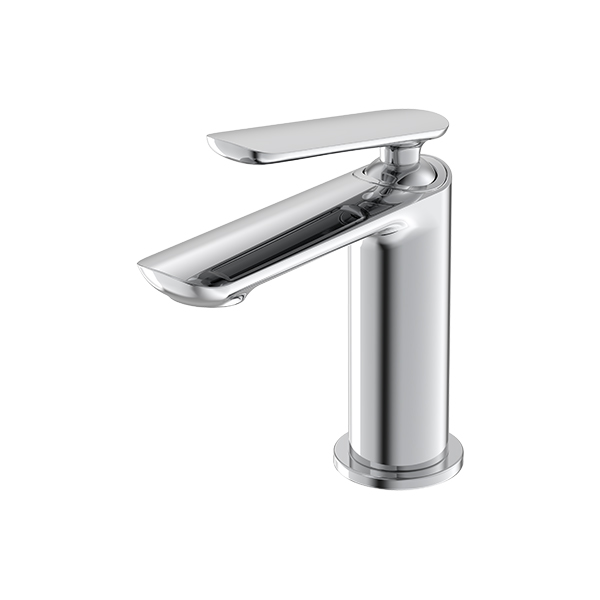
Many modern mixer taps include flow restrictors or aerators, which limit water volume without significantly affecting perceived pressure. This reduces water consumption during daily use, especially when users leave the tap running while adjusting temperature. Additionally, single lever operation allows quicker temperature adjustment compared with separate hot and cold taps, reducing the time water is wasted while finding the right mix.
However, the actual water-saving effect depends on user behavior and whether the tap is fitted with water-saving features. In general, selecting a mixer tap with an integrated flow limiter and installing it correctly can support more efficient water use.
Are Single Lever Mixer Taps Safe for Hot Water Use?
Safety is a key concern for families, particularly those with children or elderly users. Single lever bath mixer taps control both hot and cold water, which means the risk of accidental scalding can be higher if temperature control is not precise.
Important safety considerations include:
Temperature-limiting features: Some mixer taps are designed with built-in temperature limiters to prevent water from exceeding a safe temperature.
Pressure balance: When water pressure fluctuates (for example, when another tap is opened), the mix can change. Pressure-balanced mixer systems help maintain stable temperature.
Proper installation: Correct connection to hot and cold supplies ensures accurate mixing and reduces the risk of unexpected temperature changes.
For households with vulnerable users, selecting a mixer tap with temperature control features and ensuring professional installation can help address safety concerns.
How Durable Are Single Lever Bath Mixer Taps?
Durability is a common public concern, as taps are expected to function reliably for many years under daily use. Single lever mixer taps have more internal components than simple taps, including cartridges, seals, and mixing chambers. These components can wear over time, especially in areas with hard water or high usage.
Key factors affecting durability include:
Cartridge quality: The cartridge is the core component controlling water flow and temperature. Ceramic cartridges generally offer longer life and smoother operation compared with older rubber or plastic designs.
Material and finish: Brass bodies with corrosion-resistant finishes tend to withstand long-term exposure to water better than cheaper materials.
Water quality: Hard water can cause mineral buildup inside the cartridge and spout, increasing wear and reducing smoothness.
Regular cleaning and occasional maintenance, such as replacing the cartridge when needed, can extend service life. Choosing reputable brands and materials also supports long-term performance.
What About Hygiene and Maintenance?
Hygiene has become a more prominent public concern, especially in shared bathrooms or public facilities. Single lever bath mixer taps can be easier to clean than dual taps because they have fewer surfaces and joints. However, certain design aspects influence hygiene.
Surface finish and coating: Smooth, high-quality finishes are less likely to trap dirt and are easier to wipe clean.
Spout design: Open spouts or designs with complex shapes can accumulate limescale or bacterial residue if not cleaned regularly.
Touchless alternatives: In public or high-traffic environments, touchless mixer taps reduce direct contact, which can lower the risk of germ transmission.
Routine cleaning with appropriate, non-abrasive products helps maintain both appearance and hygiene. In households, ensuring that the tap is dried after use can reduce mineral deposits and preserve the finish.