Language
  English
 Español
Sleek and Modern Design
One of the standout features of built-in hygienic mixer taps is their sleek and modern design. Unlike traditional taps, which can be bulky and often disrupt the aesthetic of a bathroom or kitchen, built-in taps are seamlessly integrated into the countertop, wall, or sink. This minimalist design creates a cleaner, more contemporary look that enhances the overall decor of the space.
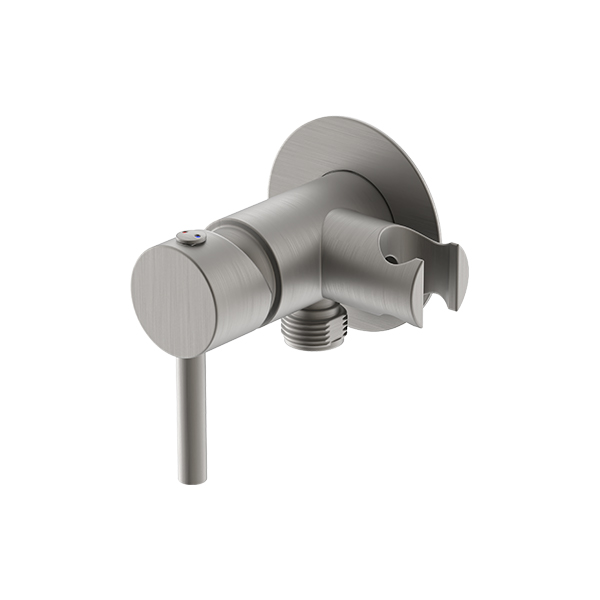
The built-in nature of the tap also means that it has fewer external components. This reduces clutter and provides a more streamlined appearance, making it an ideal choice for modern interiors that prioritize simplicity and elegance. Whether installed in a high-end restaurant, a luxury bathroom, or a minimalist kitchen, these taps offer a sophisticated look that appeals to those looking for both style and functionality.
Additionally, the reduced number of exposed components makes built-in hygienic mixer taps more resistant to wear and tear. The components that are visible are often made of high-quality materials like stainless steel or chrome, ensuring both durability and long-lasting shine.
Water Efficiency and Conservation
Built-in hygienic mixer taps play a crucial role in water conservation, which is increasingly important in today's eco-conscious world. These taps often come equipped with flow restrictors or aerators, which help regulate the flow of water without compromising performance. This results in reduced water wastage while still providing a strong, consistent stream of water.
By blending hot and cold water, built-in mixer taps also prevent the need for multiple taps and excessive water flow. This ensures that water is used more efficiently, which can be especially beneficial in commercial settings where high water consumption is common. For instance, in kitchens or hospitals, where water use is frequent, built-in hygienic mixer taps reduce unnecessary water flow and contribute to lower water bills and resource conservation.
Furthermore, many modern built-in mixer taps are designed with energy efficiency in mind. They often feature smart thermostatic controls that maintain the desired temperature without needing to continuously mix hot and cold water. This reduces energy consumption and can help maintain consistent water temperatures, which is crucial for both user comfort and energy savings.
Hygiene and Safety Features
Hygiene is a primary consideration in the design of built-in hygienic mixer taps, especially in spaces like hospitals, foodservice areas, or homes with small children. The design of these taps minimizes the risk of cross-contamination and ensures that they are easy to clean and maintain.
Built-in hygienic mixer taps typically come with features such as touchless operation or lever handles that require minimal contact. Touchless technology, which uses motion sensors, allows users to turn the tap on or off without touching the faucet, significantly reducing the spread of germs. This feature is particularly useful in kitchens or bathrooms, where hands can be contaminated by food particles or bacteria.
Moreover, these taps are often designed with smooth surfaces and fewer crevices, making them easier to wipe down and sanitize. The reduced number of components and exposed areas helps limit the places where dirt, grime, and bacteria can accumulate, which is a common issue with traditional taps that have multiple nooks and crannies.
Some built-in hygienic mixer taps also feature anti-bacterial coatings on their surfaces, further enhancing their ability to prevent microbial growth and ensuring a higher level of hygiene. These features make them ideal for healthcare settings, restaurants, and any environment where maintaining high standards of cleanliness is critical.
Easy Installation and Maintenance
Despite their advanced features, built-in hygienic mixer taps are designed for ease of installation and maintenance. Many models come with installation kits that include everything needed for a quick and efficient setup. The integrated design means fewer parts are involved, reducing the complexity of installation compared to traditional taps that require separate hot and cold water valves, mixers, and spouts.
The maintenance of built-in hygienic mixer taps is also relatively simple. With fewer external components, there are fewer parts that can corrode or become damaged. This makes them more durable and long-lasting, reducing the need for frequent repairs or replacements. Furthermore, the smooth, integrated design ensures that there are fewer areas where dirt or scale can build up, which minimizes the amount of maintenance needed to keep the tap functioning properly.
Additionally, many built-in hygienic mixer taps are equipped with features that help extend their lifespan, such as ceramic disc valves or self-cleaning mechanisms. These technologies prevent issues like dripping, leaking, or clogging, which can commonly occur in older tap models. By using high-quality materials and innovative design, built-in hygienic mixer taps require less maintenance and provide reliable performance over time.