Language
  English
 Español
One notable disadvantage of single lever kitchen mixer taps is the potential for temperature fluctuations. Because the tap mixes hot and cold water through one control, changes in water pressure or temperature from the supply lines can result in sudden shifts. For example, if another tap is opened elsewhere in the house, the pressure balance may change, causing the water temperature at the mixer to change unexpectedly. This is particularly relevant in homes without pressure-balanced plumbing systems.
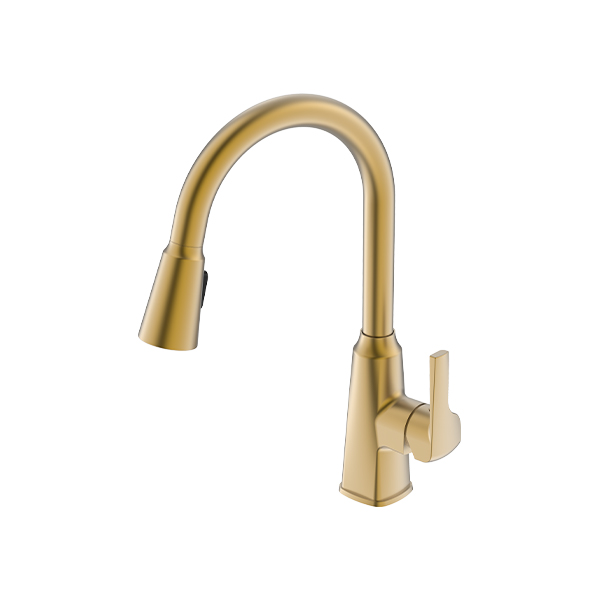
Single lever taps typically rely on a cartridge mechanism to control flow and temperature. Over time, cartridges can wear out or become clogged by mineral deposits, especially in areas with hard water. When the cartridge fails, the tap may leak, become difficult to operate, or lose temperature control.
Maintenance and repair can also be more complicated compared with traditional separate hot and cold taps. While cartridge replacement is a common solution, it may require disassembly and the use of specific replacement parts, which can be inconvenient for some users.
Single lever mixer taps may have limited compatibility with certain plumbing setups, especially older systems or those with non-standard connections. Correct installation requires matching the tap to the existing pipe size, supply pressure, and hot water temperature.
Single Lever Kitchen Mixer Tap: How to Understand It Correctly
A correct understanding of single lever kitchen mixer taps helps users set realistic expectations and ensure proper use.
Recognize the tap as a mixing device
The single lever combines hot and cold water into a mixed output. Proper operation depends on stable supply conditions.
Understand pressure sensitivity
The tap's performance can be affected by changes in water pressure, which may cause temperature shifts.
Identify the cartridge as the key component
The cartridge controls both flow and temperature. Cartridge quality directly affects durability and smoothness.
Choose the right type for your system
Some mixer taps include ceramic cartridges and pressure balancing features. Selecting the appropriate type helps reduce issues.
Regular maintenance supports longevity
Cleaning aerators and descaling the cartridge area helps maintain smooth operation, especially in hard water areas.
Expect occasional wear and replacement
Like all mechanical components, cartridges and seals wear over time. Replacement is a normal part of long-term use.
Use appropriate installation standards
Proper connection to hot and cold supply lines, correct sealing, and adequate water pressure are essential for stable performance.
By understanding these points, users can better manage the limitations and maintain consistent performance from their single lever kitchen mixer tap.
Installation and Compatibility Considerations
Single lever kitchen mixer taps must match the existing plumbing system to function correctly. This includes the correct inlet size, compatible connection type, and adequate water pressure. Many modern taps are designed for standard 1/2-inch connections, but older homes may have different sizes or non-standard fittings.
Installation also requires attention to water pressure balance. In systems with significant pressure differences between hot and cold water, the tap may not mix smoothly. Some taps are designed with pressure balancing or cartridges to stabilize temperature under changing supply conditions. Choosing a tap with the right features for the home's plumbing reduces the likelihood of temperature fluctuation issues.
Additionally, kitchen mixer taps are often used with water filtration systems or hot water dispensers. Ensuring compatibility with these systems is important, as added devices can change flow rate or pressure, affecting tap performance.
Material Quality and Long-Term Maintenance
Material quality and internal components determine the long-term reliability of single lever mixer taps. Brass bodies with corrosion-resistant finishes tend to offer better durability than cheaper alternatives. The finish type also affects resistance to scratches and tarnishing, which is important in high-use kitchen environments.
Ceramic cartridges are widely regarded as more durable than older rubber or plastic types, and they provide smoother operation over time. However, hard water can still cause mineral buildup around the cartridge and aerator, reduced flow or stiffness. Regular cleaning and occasional descaling help maintain performance.