Language
  English
 Español
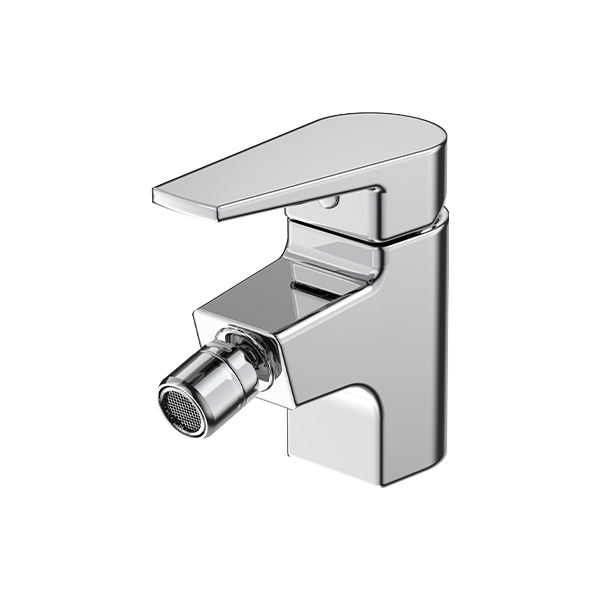
The single lever bath mixer faucet is a common fixture in modern bathrooms, combining hot and cold water control into a single, intuitive mechanism for filling tubs and operating showers. Its design represents a convergence of mechanical engineering, material science, user ergonomics, and installation requirements. To fully understand its role and operation, this faucet type can be examined from four distinct aspects: its internal control mechanism, its material composition and durability, its functional and ergonomic design for the user, and its installation and water efficiency considerations. Each aspect contributes to its overall performance and suitability in a bathroom setting.
Internal Control Mechanism and Operation
The core functionality of a single lever mixer is housed within its cartridge or valve body. When the user moves the lever, it actuates this internal mechanism to regulate water. There are two common types. A ceramic disk cartridge uses two finely polished ceramic disks: one stationary and one that rotates with the lever. The rotating disk has openings that align with those in the stationary disk to control the mix and volume of hot and cold water. A ball valve cartridge employs a slotted metal or plastic ball that rotates within a sealed chamber, with springs and rubber seals controlling the flow. In both systems, lifting the lever increases total water volume, while side-to-side movement adjusts the temperature blend. The precision of these components determines the faucet's smoothness of operation, accuracy of temperature control, and longevity, as mineral deposits can eventually impair their function.
Material Composition and Durability
The faucet's external and internal materials are selected for corrosion resistance, mechanical strength, and aesthetic appeal. The visible components—the spout, lever handle, and escutcheon plate—are typically made from brass, zinc alloy, or stainless steel, often with a decorative finish such as chrome plating, brushed nickel, or PVD (Physical Vapor Deposition) coating. This finish must resist tarnishing, scratches, and the chemicals found in cleaning products. Internally, besides the cartridge, critical components include rubber or silicone seals and O-rings that prevent leaks at connection points. The quality of these seals and the plating process directly influences the faucet's service life, its resistance to drips, and its ability to withstand the constant moisture and humidity of a bathroom environment without corrosion or failure.
Ergonomic and Functional Design
This aspect focuses on the user interface and how the faucet integrates with the bathing fixture. The single lever design itself is an ergonomic feature, allowing for easy one-handed operation to start, stop, and adjust water with a simple motion, which can be advantageous for users with limited hand strength. The spout design is critical: it must be long enough to clear the edge of the bathtub to prevent water from running down its outside, and its height must provide sufficient clearance for filling buckets or large bathing containers. Many models integrate a diverter mechanism, either a pull-up knob on the spout tip or a button on the lever, to redirect water flow from the tub spout to a showerhead. The placement and ease of use of this diverter are key functional considerations that affect the daily utility of the fixture.
Installation and Water Efficiency Considerations
From a practical installation and regulatory standpoint, these faucets must meet specific requirements. They are designed for standardized center-set installation, where the hot and cold water supply lines converge at a set distance (common centers are 4 inches or 8 inches) behind the mounting plate. Proper installation requires secure mounting to the tub deck or wall and correct connection to plumbing supplies with appropriate sealants. Furthermore, in many regions, bath faucets are subject to water flow rate regulations to promote conservation. Modern single lever mixers often incorporate flow restrictors or aerators in the spout to limit the flow of water to a mandated volume per minute (e.g., 2.5 gallons per minute or 9.5 liters per minute), regardless of how far the lever is lifted. This design balances user demand for adequate flow with the need for resource efficiency.