Language
  English
 Español
What Materials Are Suitable for Pull Out Kitchen Mixer Faucets?
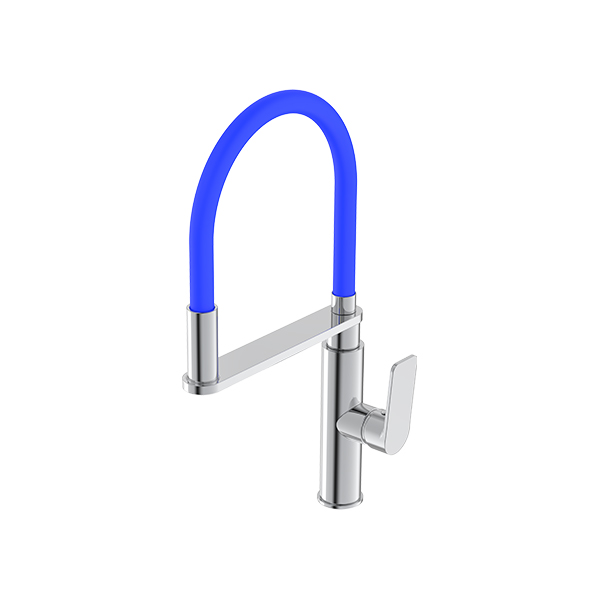
The material of a kitchen mixer faucet affects its durability, safety, and appearance.
Body Material: Most pull out kitchen faucets are made from brass or stainless steel. Brass provides corrosion resistance, long service life, and compatibility with potable water, while stainless steel offers a sleek appearance and resistance to staining and rust.
Surface Finishes: Chrome, brushed nickel, matte black, or bronze finishes can be applied to the faucet body. Finishes influence aesthetics, ease of cleaning, and scratch resistance.
Internal Components: Valves, O-rings, and cartridges are often made from ceramic or high-quality plastics. Ceramic valves provide smooth operation and prevent leaks, while durable O-rings maintain a reliable seal over time.
Function: Selecting appropriate materials ensures the faucet is resistant to corrosion, easy to maintain, and suitable for prolonged use with water of varying temperatures.
What Spray Functions Should Be Considered?
The spray function determines the faucet's flexibility and usability in daily kitchen tasks.
Standard Stream: A steady flow for filling pots, washing vegetables, or cleaning the sink.
Spray Mode: An aerated or pulsating spray for rinsing food or washing dishes, providing greater coverage and efficiency.
Switching Mechanism: Pull out faucets typically have a button or switch to alternate between stream and spray. The ease and reliability of this mechanism affect user convenience.
Function: Considering spray functions ensures the faucet meets practical kitchen needs, offering versatility and control over water flow for different tasks.
Is the Faucet Compatible with Your Kitchen Setup?
Installation compatibility is essential to ensure a proper fit and performance.
Mounting Type: Pull out faucets may be deck-mounted on the countertop or sink. The number of holes in the sink or countertop determines whether single-hole or multi-hole mounting is needed.
Reach and Height: The faucet's spout height and reach should suit the sink size. A longer reach allows for easy access to larger sinks, while the spout height ensures clearance for tall pots and pans.
Hose Length: The pull-out hose should be long enough to reach all areas of the sink without strain, and the retraction mechanism should function smoothly.
Function: Checking compatibility ensures the faucet fits the kitchen layout, provides practical coverage, and avoids installation issues.
What Maintenance Features Are Important?
Maintenance considerations affect the faucet's longevity, hygiene, and ease of use.
Easy Cleaning: Smooth finishes and minimal seams reduce the buildup of dirt, lime, and grime, making cleaning simpler.
Detachable Spray Head: Removable spray heads allow thorough cleaning and prevent clogging of the nozzle.
Anti-Drip Design: Faucets with well-designed cartridges and seals minimize leakage and dripping over time.
Durability of Moving Parts: Swiveling spouts, pull-out hoses, and buttons should be robust to withstand frequent use.
Function: Considering maintenance features ensures the faucet remains functional, hygienic, and easy to operate over its service life.
Choosing a pull out kitchen mixer faucet involves careful consideration of materials, spray functions, installation compatibility, and maintenance features. Brass or stainless steel construction ensures durability and resistance to corrosion, while appropriate surface finishes improve aesthetics and cleaning convenience. The faucet's spray modes and switching mechanisms determine its versatility for kitchen tasks. Compatibility with sink or countertop layout, spout height, and hose length ensures practical use, while maintenance-friendly designs enhance hygiene and longevity. By answering these four key questions, users can select a pull out kitchen mixer faucet that provides functional reliability, ease of use, and a suitable fit for their kitchen environment.