Language
  English
 Español
Single lever kitchen mixer faucets are widely used in modern kitchens due to their simplicity, functionality, and ease of use. They allow users to control both water flow and temperature with a single handle, providing convenience in daily kitchen tasks.
Design and Structure
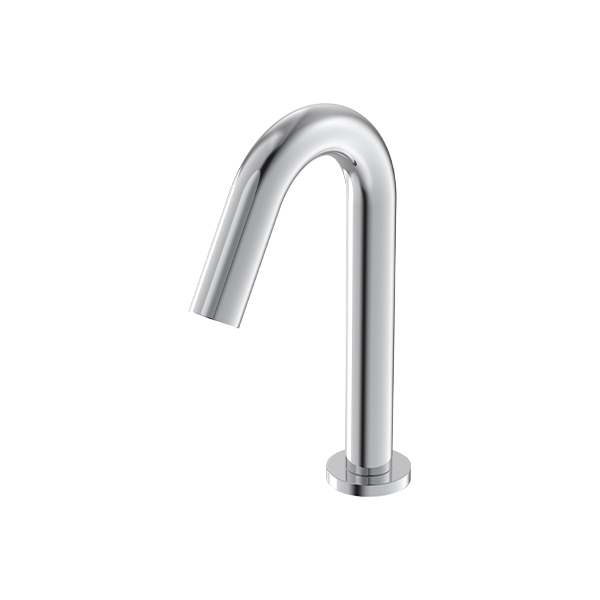
The noticeable characteristic of a single lever kitchen mixer faucet is its streamlined design. The faucet consists of a main body, a spout, a handle, and an internal mixing cartridge. The single handle allows users to control water flow and temperature simultaneously.
The handle typically moves up and down to adjust flow and side to side to regulate temperature. This design reduces the number of separate handles needed, creating a cleaner, less cluttered appearance. The spout can vary in height and reach, with some models featuring swivel or pull-out spouts for enhanced flexibility. Overall, the compact and integrated design contributes to both aesthetic appeal and functional convenience in kitchen spaces.
Functional Efficiency
Single lever kitchen mixer faucets are valued for their operational efficiency. By combining temperature and flow control into a single movement, they allow quick adjustments, which can save time during food preparation or cleaning tasks.
The mixing cartridge inside the faucet ensures that hot and cold water blend effectively to provide a consistent temperature. This efficiency also helps in reducing water wastage, as users can achieve the desired temperature more quickly compared to dual-handle faucets. Some modern models include features such as ceramic cartridges for smooth operation and reduced leakage, improving the reliability and performance of the faucet over time.
Material and Durability
The materials used in single lever kitchen mixer faucets influence their durability and maintenance requirements. Common materials include stainless steel, brass, and chrome-plated alloys. Stainless steel offers resistance to corrosion and rust, making it suitable for wet kitchen environments. Brass provides a strong and stable structure, while chrome plating adds an easy-to-clean surface with resistance to water spots.
Seals and gaskets inside the faucet are usually made of rubber or silicone to ensure leak-free operation. High-quality materials and precise construction contribute to the long service life of these faucets, allowing them to withstand daily use without compromising functionality. Durability is an important characteristic, especially in high-use kitchens or commercial settings.
User Convenience and Hygiene
Single lever kitchen mixer faucets are designed to enhance user convenience and hygiene. The single handle reduces the number of surfaces users need to touch, which is especially useful when hands are dirty or wet. Some models feature touchless operation with sensors, further improving hygiene in kitchen environments.
Additionally, adjustable spouts, swivel features, and pull-out sprays provide flexibility, making it easier to wash dishes, fill pots, or clean the sink. The smooth surfaces and compact design also facilitate cleaning around the faucet, reducing the accumulation of dirt or water deposits. These features make single lever faucets practical and user-friendly for daily kitchen activities.
Single lever kitchen mixer faucets offer several key characteristics that make them suitable for modern kitchens. Their design and structure provide a streamlined appearance and integrated control over water flow and temperature. Functional efficiency allows quick adjustments and consistent water mixing, reducing waste and improving usability. Materials and construction ensure durability, resistance to corrosion, and long-term reliability. Finally, user convenience and hygiene features, including smooth surfaces, swivel spouts, and touchless options, enhance the practicality and cleanliness of kitchen tasks. By considering these four aspects, homeowners and designers can select a faucet that balances performance, durability, and user experience in kitchen environments.