Language
  English
 Español
Single lever bath mixers are commonly used fixtures in bathrooms to control water flow and temperature. They combine hot and cold water into a single spout, allowing users to adjust both flow rate and temperature with one handle. These mixers are widely used in residential and commercial bathrooms due to their convenience, compact design, and ease of use. Despite their simplicity, many users have questions regarding installation, operation, material selection, and maintenance. The following FAQ format addresses four common questions to provide practical guidance on single lever bath mixers.
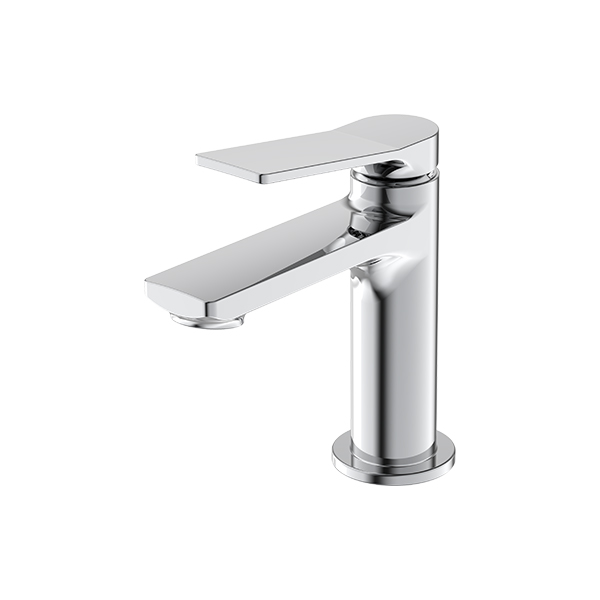
A single lever bath mixer provides combined control of hot and cold water through a single handle. By moving the handle vertically, users can control water flow, while horizontal movement adjusts the water temperature. This design simplifies operation compared with dual-handle mixers, as it allows precise adjustment with one hand.
Single lever bath mixers are available in various styles and finishes, including chrome, brushed nickel, and matte black. These finishes not only contribute to the aesthetic of the bathroom but also provide resistance against corrosion and water deposits. The mixers can be wall-mounted or deck-mounted depending on the bathtub or sink design. The compact design reduces clutter around the bath area, making them suitable for small or standard-sized bathrooms. Some models also include ceramic cartridges or ceramic disc technology, which enhances smooth operation and reduces the likelihood of leaks over time.
How should a single lever bath mixer be installed?
Proper installation is essential for the correct operation and longevity of a single lever bath mixer. Generally, the mixer can be mounted either on the deck of the bathtub or directly on the wall above the tub. Wall-mounted installations may require additional plumbing adjustments, including the proper alignment of hot and cold water supply pipes. Deck-mounted mixers need holes drilled in the tub or surrounding deck, with sufficient space for the handle to move freely.
During installation, it is important to use compatible fittings and connectors for both water supply lines and the mixer spout. Plumbers often recommend the use of sealing tape or gaskets to prevent leaks at connections. The water pressure should be tested after installation to ensure that the mixer operates smoothly and provides the desired temperature range. Proper alignment and secure mounting are essential to prevent movement, vibration, or leaks, which could affect performance over time.
How should the correct mixer be selected for a bathroom?
Selecting a suitable single lever bath mixer involves evaluating several factors, including water pressure, bathtub dimensions, style, and material. The water pressure in the bathroom system affects how well the mixer can combine hot and cold water and maintain a consistent flow. Some mixers are designed to work efficiently at lower pressure, while others require standard or high-pressure systems to function properly.
Material and finish are also important considerations. Brass construction is common due to its durability, resistance to corrosion, and ability to maintain water purity. Finishes like chrome and nickel provide additional protection against water deposits and scratches while matching bathroom décor. Users should also consider spout reach and height to ensure that water flows directly into the bathtub without splashing or spilling. Ergonomic handle design is another factor, as it affects ease of operation and comfort for different users.
How should single lever bath mixers be maintained and cleaned?
Regular maintenance is essential to keep single lever bath mixers functioning smoothly and to extend their lifespan. Cleaning should be done using mild soap and water or a non-abrasive cleaner. Harsh chemicals or abrasive pads can damage the finish or cause discoloration over time. Mineral deposits can accumulate around the spout or handle, especially in areas with hard water, and may require gentle descaling with a diluted vinegar solution.
Periodic inspection of the mixer is recommended to detect leaks, loose connections, or reduced flow. For mixers with ceramic cartridges or discs, occasional operation and cleaning can help prevent sticking or stiffness in the handle. Users should avoid forcing the handle beyond its intended range, as this could damage internal components. Timely replacement of worn washers, gaskets, or cartridges ensures that the mixer maintains consistent flow and temperature control. Proper maintenance not only preserves the appearance of the mixer but also supports reliable performance over time.