Language
  English
 Español
Early Appearance and Initial Designs
Built-in hygienic mixer faucets appeared in the late 20th century as concerns for hygiene and water efficiency became more prominent in both residential and professional settings. Early models were relatively simple, combining basic hot and cold water control with a mixer mechanism housed within the faucet body.
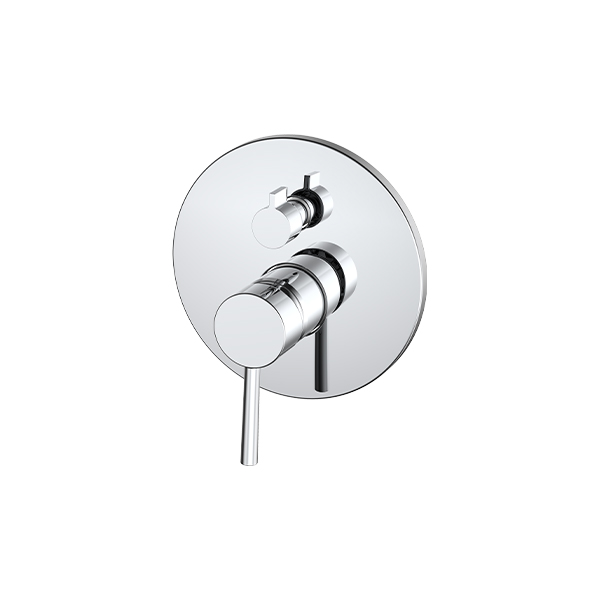
These initial designs focused on exposed parts, reducing the number of handles, and providing smooth surfaces for easier cleaning. They were primarily installed in kitchens, laboratories, and hospitals, where hygiene and control over water temperature were critical. Early versions lacked advanced features but established the concept of a compact, integrated faucet that could meet hygiene requirements while providing mixed water.
Material Improvements and Durability
Material selection has played an important role in the development of built-in hygienic mixer faucets. Early models were commonly made of standard brass or stainless steel, which offered basic corrosion resistance and durability. Over time, manufacturers began using higher-grade stainless steel, chrome plating, and antimicrobial coatings to enhance hygiene and longevity.
Modern faucets often use materials resistant to rust, pitting, and bacterial growth, making them suitable for environments requiring high cleanliness standards. Components such as cartridges, seals, and valves are also made from durable materials to reduce wear and maintain consistent water flow. The improvement of materials has allowed these faucets to function reliably for longer periods, even under frequent use.
Functional Enhancements
Built-in hygienic mixer faucets have undergone functional improvements to meet the evolving needs of users. Early models had basic manual mixing handles, while modern designs include single-lever controls, touchless sensors, and thermostatic cartridges.
Single-lever mixers allow users to adjust temperature and flow with one motion, improving convenience and reducing contamination from handling multiple surfaces. Touchless models use sensors to detect hand movement, turning the water on or off without physical contact. Thermostatic cartridges maintain consistent water temperature, preventing scalding and improving safety. These enhancements have expanded the functionality of the faucet, making it more user-friendly and aligned with hygiene standards.
Expanded Applications and Modern Use
Initially, built-in hygienic mixer faucets were installed mainly in healthcare and laboratory settings. Over time, their use expanded to commercial kitchens, restaurants, and even residential kitchens where hygiene and water efficiency are desired.
Modern designs incorporate features such as retractable spouts, filtration systems, and easy-to-clean surfaces. Integration with plumbing systems allows for energy efficiency, reducing water waste and improving environmental performance. Their versatile design, combined with hygienic features, makes them suitable for professional and personal spaces where water control and cleanliness are important.
Built-in hygienic mixer faucets appeared in the late 20th century, addressing the need for compact, easy-to-clean water fixtures. Material improvements, including high-grade stainless steel and antimicrobial coatings, have enhanced durability and hygiene. Functional enhancements, such as single-lever operation, touchless sensors, and thermostatic control, have improved convenience and safety. Finally, their applications have expanded from healthcare and laboratories to commercial kitchens and residential settings, reflecting their versatility and effectiveness. Understanding these aspects provides insight into the development of built-in hygienic mixer faucets and their role in modern hygiene-focused environments.